
Fast Fragrance
The Rise of Churn
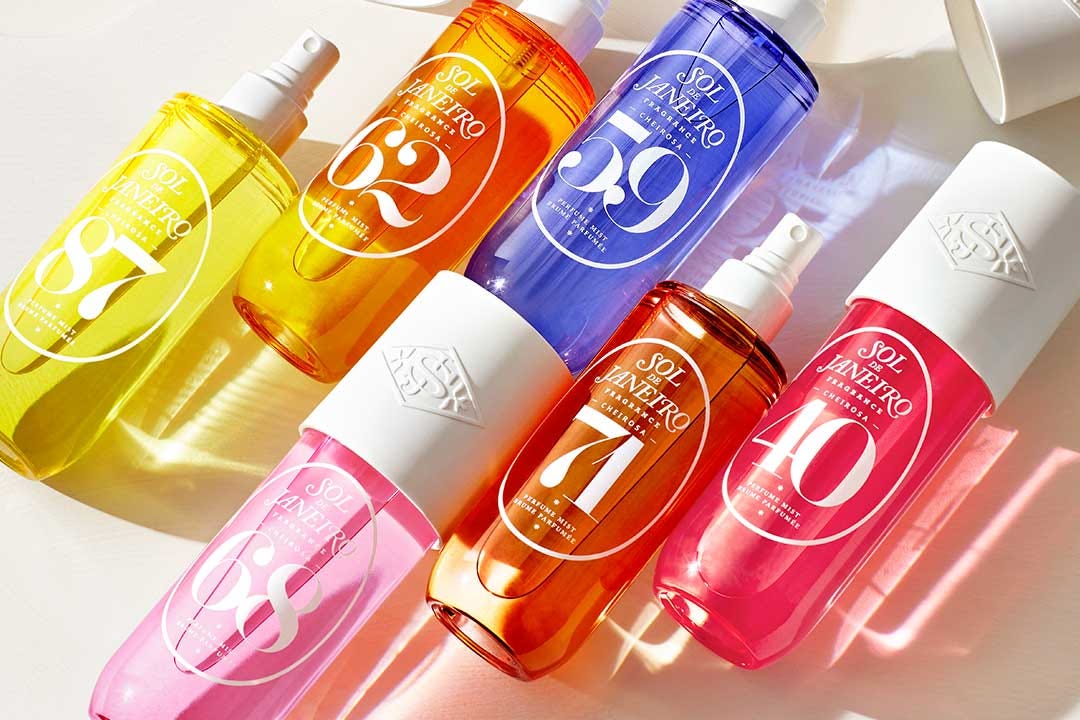
H&M is releasing three limited edition Eaux de Parfum based on beauty products from e.l.f. Beauty.
They’re not exactly Shein, but H&M have been in the budget end of the rag trade for years. They already sell the sort of generic pongs you might find on a market stall in Lewisham, but this new release takes the brand into fast territory. Not fast fashion but Fast Fragrance.
The collection is ‘limited, referential, and priced for repeat purchase’.1 The perfumes are mainly aimed at Gen Z and Gen Alpha (who are up to 16 years old) and are meant to be disposable - even though they cost three times H&M’s own stuff. Customers are paying a premium for the brand name. But even so, the fast model totally applies here.
The scents are limited edition, and at 30$ priced for impulse purchases and blind buys on the website. They will no doubt get a whole load of exposure on TikTok, creating a demand bubble that will pop before it reaches market saturation. But hey! the next product will be coming down the pipe before the old bottles are half empty.
The scents are anchored to e.l.f. Beauty’s most viral products — which collapses the learning curve. (Whoever wrote this, whether a journo at the-ethos.com, or somebody further up the food chain, they are pretty marketing savvy and—or heavy on the bs, depending on which side of the fence your’e sitting.)
‘This collection reflects our shared belief in democratizing access to high-quality beauty experiences [said] Cathrine Wigzell, general manager of H&M Beauty’; which would be fine, were it not for the admission that ‘cultural relevance and turnover matter more than longevity (or quality)’.2 Which sounds to me like trendy but trash.
What we’re talking here is churn, based on viral crazes that inflame demand for cheap, low quality products that are fired off at lightning speed. This collapsing of the supply cycle creates unpredictable demand; perfume makers are pushed to ultra-compact deadlines, and they in turn pressure the supply chain, which leads to sudden orders for essential oils and aromachems - which may not be repeated once short production runs are filled. This type of unpredictability is something business hates.3
But the knock on effects of fast fragrance don’t end there. The amount of materials used -like glass, paper and plastic- and the energy consumed when making all that perfume is going to put pressure on the environment.
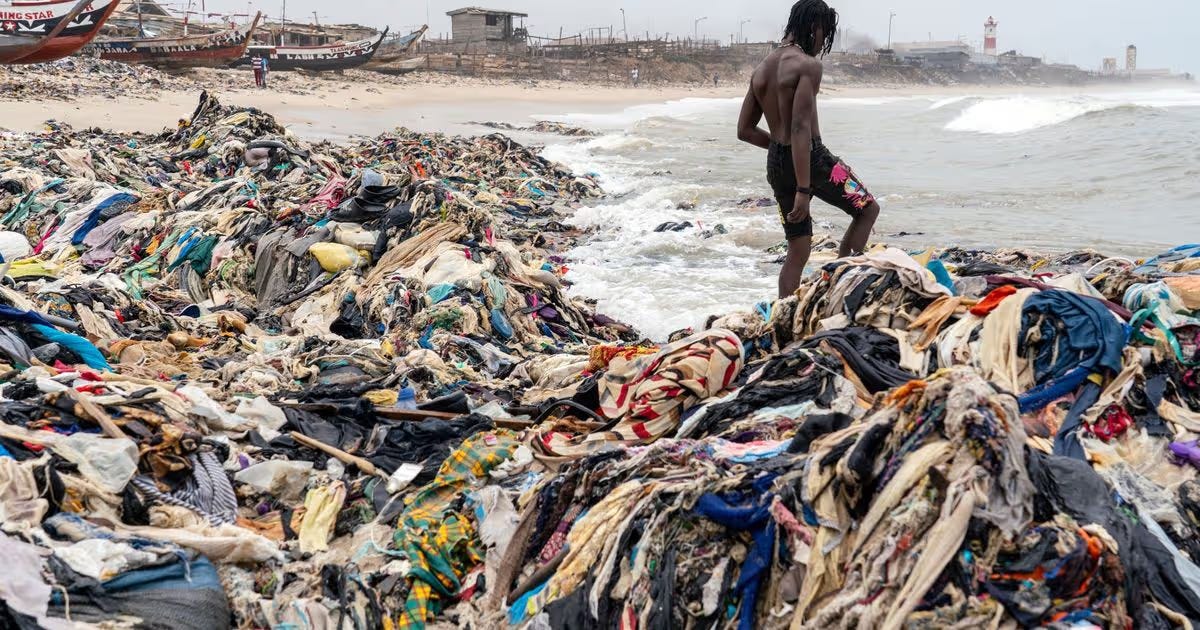
The price of ‘democratizing’ access to beauty products (ie extending it to pre-teen girls) is chaos in the perfume industry, and degradation of the environment.
The supposedly benevolent gesture of democratizing the demands of girls, who want perfume and make up and abundant cheap clothes, may actually be driven by corporate greed. Gen Alpha has some level of control over 100 billion dollars of spending, either directly or through pester power.4
That’s almost the GDP of Bulgaria. But, unlike Bulgaria, Gen A’s income is forecast to rise 500% in the next three years.
How Fast Perfume is likely to effect the legacy players is anyone’s guess right now. But with colossal figures on the chart, it’s likely that the majors are looking to get their hands on a slice of that Gen A pie.
Who knows, maybe LVMH will make a move on Sol de Janeiro, which was bought by L’Occitane in 2021 for 450 million US (a piffling amount which is small change to Bernard Arnaut).5
For both parties the old corporate buyout would make a lot of sense. The cult marques have the cred, and the corporations have the muscle. It’s an offer they can’t refuse…
Thanks for reading. Please like and restack, and if you haven’t already
https://the-ethos.co/fragrance-is-in-its-fast-fashion-era/
ibid
https://ikanabusinessreview.com/2025/04/unpredictability-a-winning-strategy-until-it-backfires/
https://fortune.com/2025/08/08/gen-alpha-100-billion-spending-power-nike-roblox/
https://en.wikipedia.org/wiki/Bernard_Arnault
Truly terrifying!
The parallel to fast fashion is striking, but the fragrance industry may be even more susceptible to churn since scent preferences are so personal and discovery-driven. The Gen Alpha spending power numbers are staggering - 500% growth in three years is the kind of demographic shift that makes legacy players nervous enough to overpay for cult brands. Curious whether the supply chain volatility you mention will eventually force some aromachem producers out of the market entirely, or if this just becomes a cost of doing business in the new fragrance economy.